Living in the city shouldn’t cost you the joy of harvesting your own fresh, chemical-free produce. If you are struggling with limited square footage but craving a greener lifestyle, a vertical organic gardening in small apartments is your perfect solution. As we move into 2025, the trend of maximizing vertical space is exploding, allowing urban dwellers to transform bare walls and tiny balconies into lush, edible oases.
In this comprehensive guide, we will walk you through everything you need to know to start your own high-yield vertical farm right at home. From choosing the right structures to selecting the best organic soil for containers, you’ll discover how to grow an abundance of herbs, greens, and even strawberries without needing a backyard.
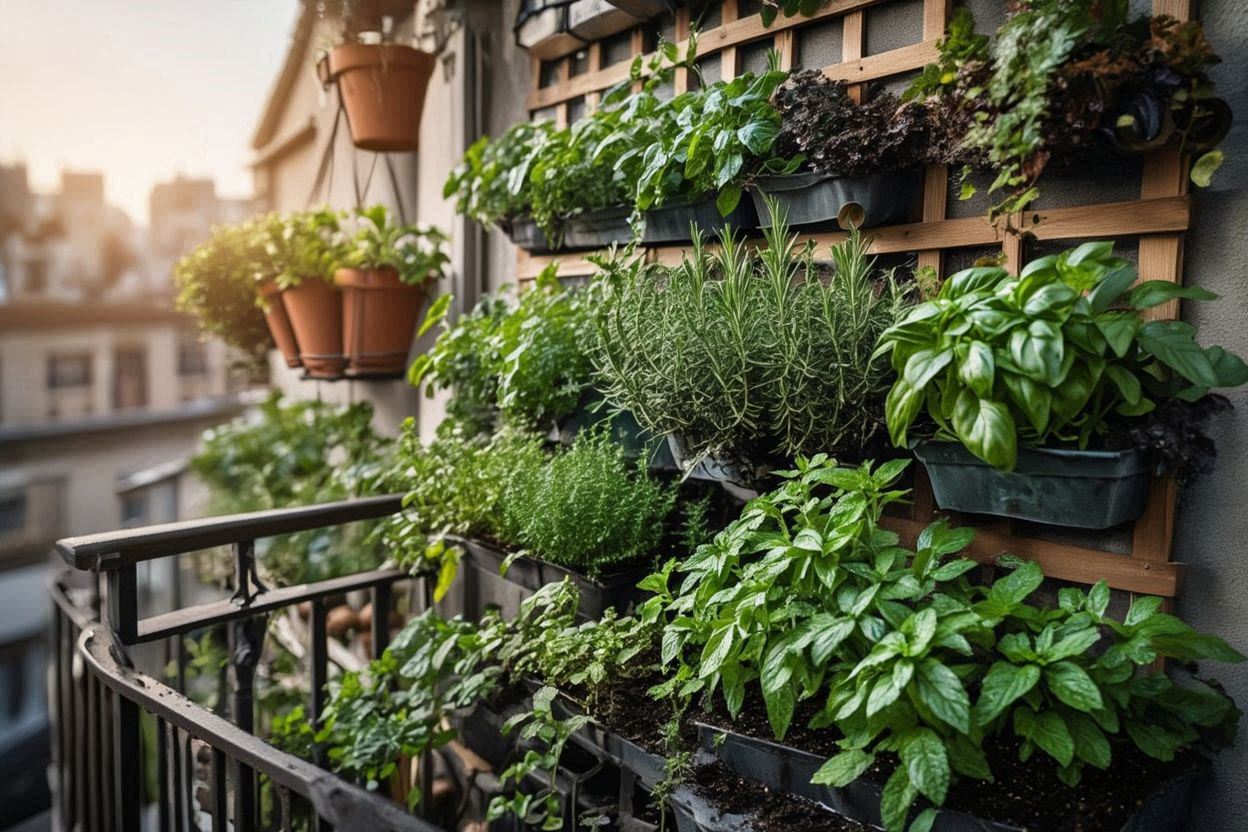
Maximize your balcony potential with tiered planters and hanging systems.
Why Vertical Gardening is the Future of Urban Living
Traditional gardening requires horizontal spread, but in a 500-square-foot apartment, floor space is a luxury. Vertical vegetable garden ideas flip the script by using your walls, railings, and ceilings. This method not only saves space but also improves air circulation around your plants, reducing the risk of fungal diseases—a common issue in organic gardening.
Furthermore, vertical setups are ergonomic. No more bending over or kneeling; you can harvest your basil and kale at eye level. Whether you are looking into a simple indoor herb wall or a sophisticated vertical hydroponic system, the principles remain the same: grow up, not out.
Choosing the Right System for Your Space
1. Fabric Pocket Planters
These are lightweight, breathable, and perfect for renters because they can be hung with simple hooks. The breathable fabric allows for “air pruning” of the roots, which encourages a denser, healthier root system.
2. Stackable Tiered Towers
Often used for vertical strawberry planter towers, these systems stack on top of one another. They are excellent for balconies as they can be rotated to ensure every plant gets equal sunlight.

Strawberries thrive in vertical towers, keeping fruit off the soil and away from pests.
3. Wall-Mounted Shelving
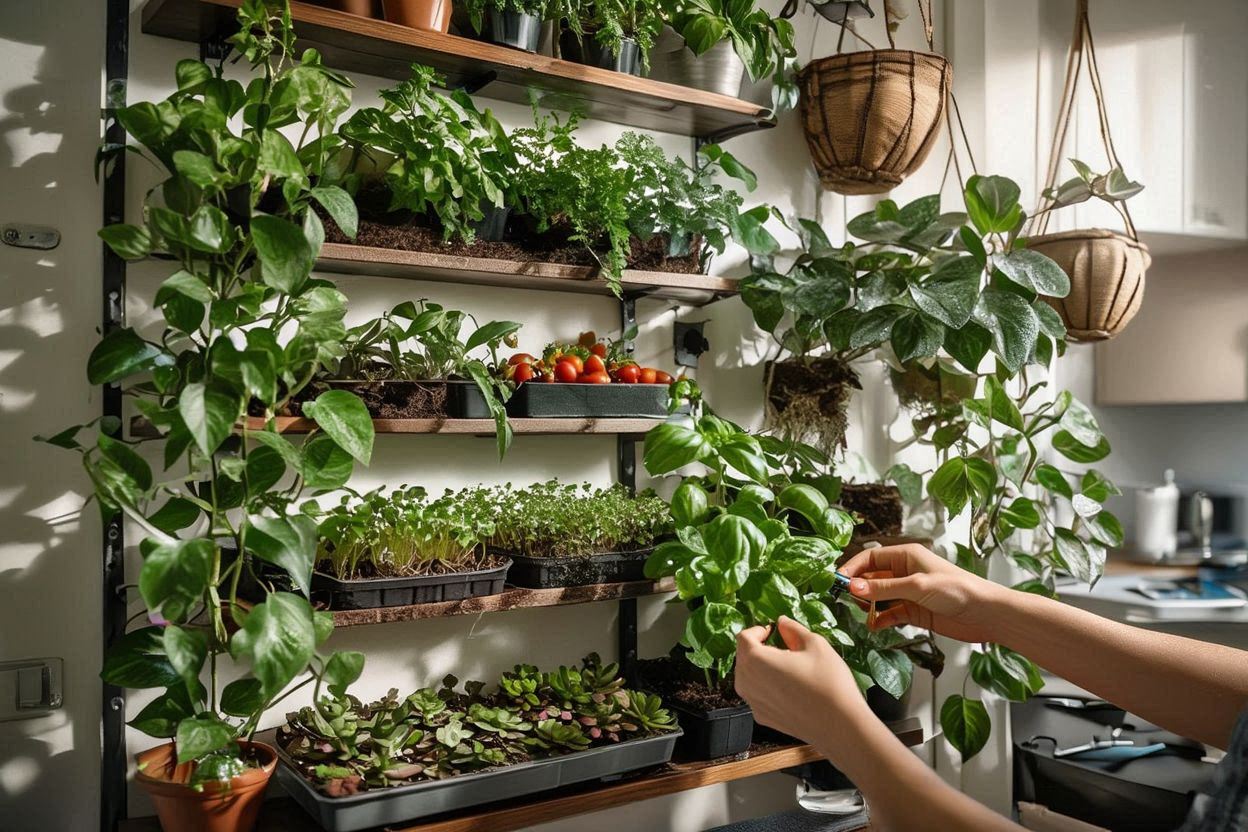
If you have a sturdy wall, installing floating shelves allows you to use standard pots. This is a great aesthetic choice for a living room feature wall. Ensure you use pots with saucers to catch excess water.
The Essentials: Soil, Light, and Water
Premium Organic Soil for Containers
Never use garden soil in containers; it is too heavy and will compact, suffocating your plants. Instead, opt for a high-quality organic potting mix enriched with perlite or vermiculite for drainage. Adding compost or worm castings will provide a slow-release nutrient boost essential for heavy feeders like cherry tomatoes.
Conquering the Light Challenge
Most edible plants require 6-8 hours of direct sunlight. If your apartment faces north or is overshadowed by other buildings, you will need supplemental lighting. Modern full-spectrum LED grow lights are energy-efficient and can be clipped directly onto your vertical shelves, ensuring your plants thrive even in the darkest corners.
Top 5 Crops for Vertical Small Space Gardening
Not all plants are suited for gravity-defying growth. Here are the best performers for your small space organic gardening project:
- Leafy Greens: Spinach, lettuce, and arugula have shallow roots and love vertical felt pockets.
- Herbs: Basil, mint, parsley, and cilantro are low-maintenance and high-yield.
- Strawberries: They cascade beautifully from hanging baskets or towers.
- Cherry Tomatoes: Choose “determinate” or bush varieties that stay compact.
- Peas and Beans: These natural climbers will happily scramble up a trellis or netting on your balcony.
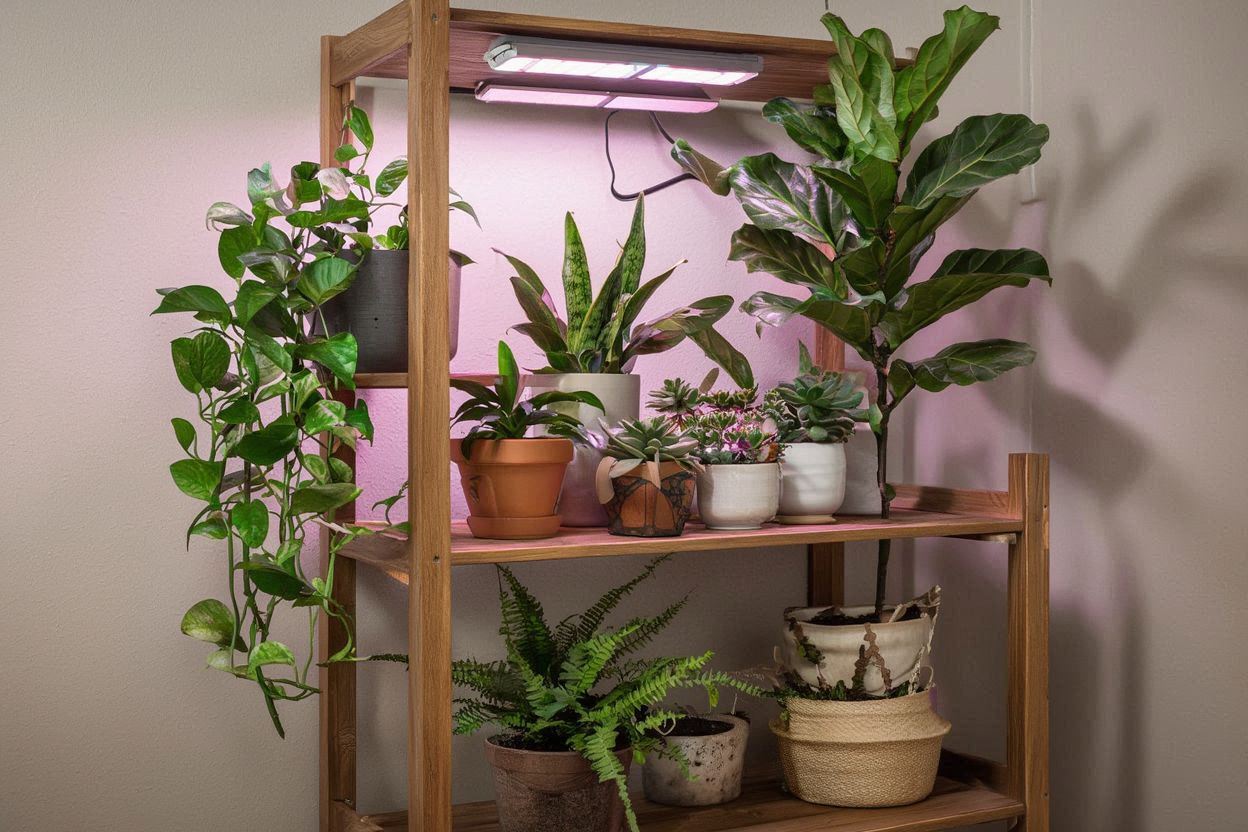
Indoor shelving units with grow lights turn any corner into a productive garden.
Maintenance and Pest Control
Even on a 10th-floor balcony, pests can find you. In a vertical organic garden in a small apartment, vigilance is key. Inspect leaves regularly for aphids or spider mites. Since you are growing vertically, airflow is usually better, which helps prevent mildew. However, if pests appear, use organic solutions like Neem oil or a simple soap-water spray. Companion planting helps too—try planting marigolds near your tomatoes to deter unwanted insects.
FAQ: Vertical Organic Gardening
1. Can I grow root vegetables in a vertical garden?
Yes, but you need deep pockets or containers. Radishes and baby carrots can thrive in window boxes or deep fabric pockets, but larger root crops like potatoes generally require more traditional, deep containers.
2. How often should I water my vertical garden?
Vertical gardens, especially those exposed to wind on balconies, dry out faster than ground soil. Check your plants daily. Investing in a simple drip irrigation kit for apartments can save time and ensure consistent moisture levels.
3. Do I need a balcony, or can I grow strictly indoors?
You can absolutely grow strictly indoors! With the right grow lights for apartments, you can cultivate herbs, leafy greens, and even peppers year-round inside your living room.
4. Is vertical gardening expensive to start?
It can be very budget-friendly. You can start with DIY solutions like upcycled plastic bottles or pallets. However, investing in a durable vertical planter system or high-quality soil upfront often yields better long-term results and requires less maintenance.